FOLLOW THE EVIDENCE
Dinosaur articles
How do fossils preserve a footprint? What can a feather reveal? Explore prehistoric life through readable science guides, with source links in our new articles so you can investigate further.
Dinosaur science · 2026-10-07
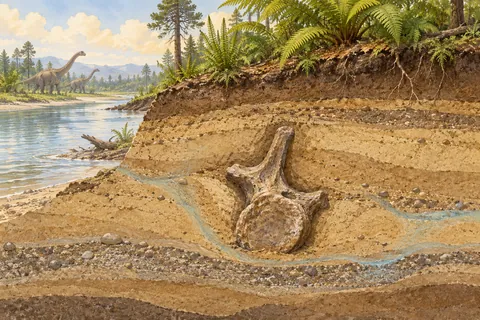
How Dinosaur Bones Become Fossils: A Journey Through Rock
Follow a dinosaur bone from burial to discovery, and learn why the fossil record preserves only a small part of ancient life.
Read article →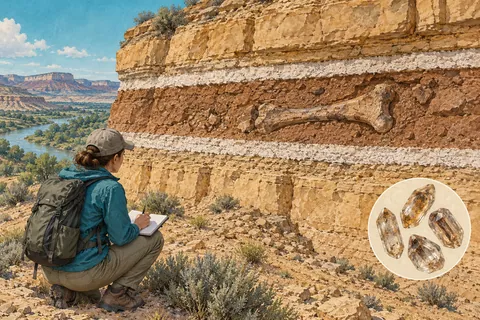
Dinosaur science · 2026-10-07
How Do Scientists Know How Old a Dinosaur Fossil Is?
Discover relative dating, volcanic ash, and radiometric clocks, and why carbon dating is unsuitable for dinosaur-age bones.
Read article →
Dinosaur science · 2026-10-07
What Dinosaur Footprints Reveal About Ancient Lives
Learn how fossil tracks record movement, muddy ground, and possible group behavior, and why identifying their makers can be difficult.
Read article →
Dinosaur science · 2026-10-07
Dinosaur Eggs and Nests: What Do We Know About Parenting?
Explore dinosaur eggs, brooding fossils, and nesting colonies while separating direct evidence of care from ideas still being tested.
Read article →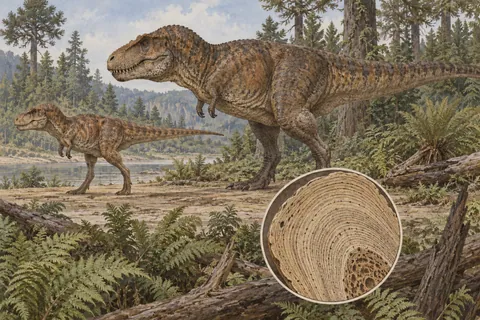
Dinosaur science · 2026-10-07
From Hatchling to Giant: How Scientists Study Dinosaur Growth
Discover how bone growth marks reveal dinosaur life histories, why young animals look different, and where age estimates remain uncertain.
Read article →
Dinosaur science · 2026-10-07
What Colors Were Dinosaurs? The Fossil Clues Behind the Artwork
See how fossil pigments and feather structures reveal some dinosaur colors, and why many paleoart palettes remain carefully chosen guesses.
Read article →
Dinosaur science · 2026-10-07
Why Birds Are Living Dinosaurs: Evidence You Can Understand
Explore feathers, wishbones, wrists, and fossil family trees to understand why a robin belongs within the dinosaur family.
Read article →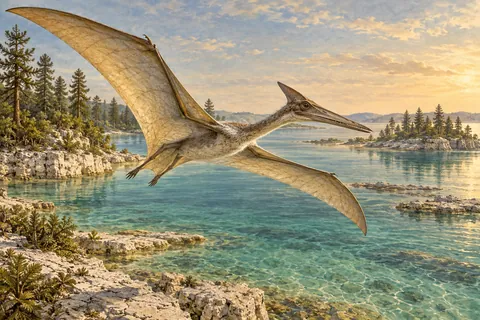
Dinosaur science · 2026-10-07
Were Pterosaurs Dinosaurs? A Guide to the Flying Reptiles
Learn why pterosaurs were close dinosaur relatives, how their wings worked, and why Pterodactylus is only one part of their story.
Read article →
Dinosaur science · 2026-10-07
Sea Reptiles and Dinosaurs: How to Tell Them Apart
Compare ichthyosaurs, plesiosaurs, mosasaurs, and dinosaurs, with simple anatomical clues and a guide to avoiding prehistoric sea myths.
Read article →
Dinosaur science · 2026-10-07
How Did Long-Necked Dinosaurs Become So Large?
Explore the combination of necks, lightweight vertebrae, breathing anatomy, and feeding that allowed sauropods to reach extraordinary sizes.
Read article →
Dinosaur science · 2026-10-07
How Plant-Eating Dinosaurs Turned Tough Leaves Into Food
Compare dinosaur beaks, grinding teeth, cropping teeth, and rare stomach contents to understand the many ways herbivores fed.
Read article →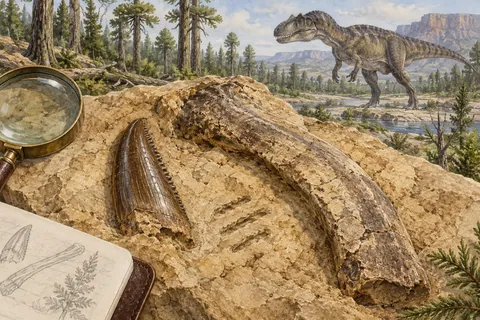
Dinosaur science · 2026-10-07
How Do We Know What Meat-Eating Dinosaurs Ate?
Investigate bite marks, stomach contents, fossil dung, and tooth anatomy to see how paleontologists reconstruct dinosaur diets.
Read article →
Dinosaur science · 2026-10-07
Dinosaur Armor and Tail Clubs: How They Worked
Discover osteoderms, armored dinosaur diversity, and the fossil injuries suggesting tail clubs were also used against rivals.
Read article →
Dinosaur science · 2026-10-07
Why Did Dinosaurs Have Horns, Frills, and Crests?
Explore display, sound, and combat hypotheses for dinosaur headgear, and discover how scientists test more than one possible function.
Read article →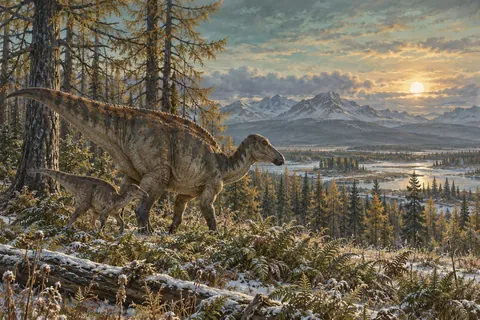
Dinosaur science · 2026-10-07
Dinosaurs in the Arctic: Life Through Long Polar Seasons
Discover Arctic dinosaur babies, ancient forests, and the fossil evidence that some dinosaurs probably stayed in the far north all year.
Read article →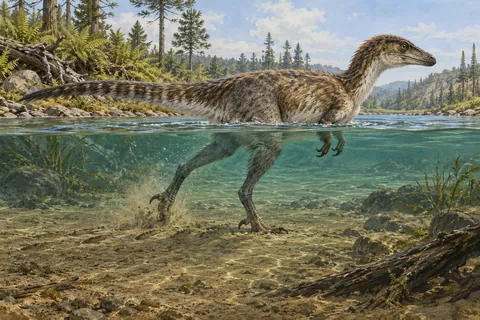
Dinosaur science · 2026-10-07
Could Dinosaurs Swim? Tracks, Bodies, and an Ongoing Debate
Explore fossil swim traces and the difference between crossing water, wading, and being an underwater hunting specialist.
Read article →
Dinosaur science · 2026-10-07
Did Dinosaurs Get Sick? Injuries and Disease Written in Bone
Discover healed wounds, a dinosaur cancer diagnosis, and evidence of respiratory infection, with clear limits on what fossils can reveal.
Read article →
Dinosaur science · 2026-10-07
Dinosaur Brains and Senses: What Skull Scans Can Reveal
Learn how CT scans and endocasts help investigate dinosaur smell, hearing, and balance, and why fossils cannot supply a simple IQ score.
Read article →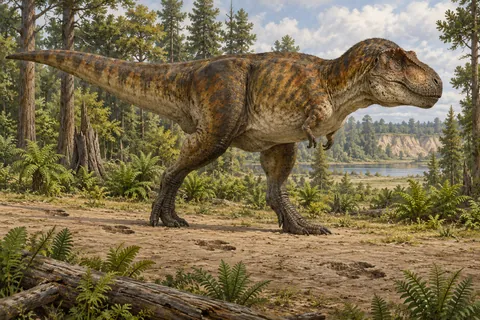
Dinosaur science · 2026-10-07
How Fast Could Dinosaurs Move? Why Speed Estimates Differ
Understand dinosaur trackway estimates, walking models, and the mechanical limits that make exact top-speed rankings uncertain.
Read article →
Dinosaur science · 2026-10-07
Dinosaur Skin, Scales, and Mummies: Evidence Beyond the Skeleton
Discover how fossil skin reveals dinosaur texture and body details, and why a dinosaur mummy is different from a recently dried animal.
Read article →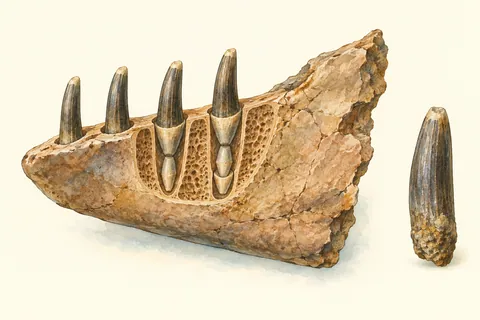
Dinosaur science · 2026-10-07
How Dinosaurs Replaced Their Teeth: A Mouth Built for Renewal
Learn why many dinosaurs grew replacement teeth, how scientists measure replacement rates, and why shed teeth are valuable fossils.
Read article →
Dinosaur science · 2026-10-07
Continental Drift and Dinosaurs: Why Ancient Maps Matter
Follow the breakup of Pangaea and learn how changing seas, land connections, and climates shaped dinosaur distribution.
Read article →
Dinosaur science · 2026-10-07
From Dinosaur Discovery to Museum: What Happens to a Fossil?
Follow the careful journey from recording a dinosaur fossil in the field to preparation, cataloging, research, and display.
Read article →
Dinosaur science · 2026-10-07
Are Museum Dinosaur Skeletons Real? Fossils and Casts
Understand original fossils, accurate casts, composite skeletons, and reconstructed parts so you can read a museum dinosaur display confidently.
Read article →
Dinosaur science · 2026-10-07
Why Did Some Birds Survive the Dinosaur Extinction?
Explore the survival hypotheses involving small bodies, seeds, and ground habitats, and why flight alone cannot explain the survivors.
Read article →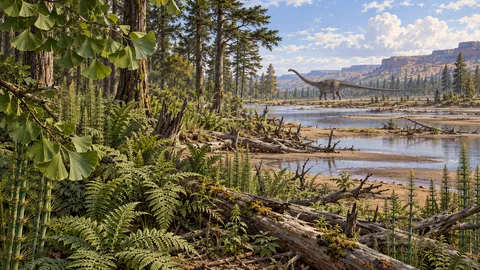
Dinosaur science · 2026-10-07
What Plants Grew in the Dinosaur World?
Explore dinosaur forests, Cretaceous flowers, and surprising grass fossils, with a guide to what prehistoric plants can reveal.
Read article →
Dinosaur science · 2026-10-07
Were Some Dinosaurs Active at Night?
Discover how dinosaur eye bones and inner ears reveal possible night hunters, including the small Mongolian dinosaur Shuvuuia.
Read article →
Dinosaur science · 2026-10-07
How to Read a Dinosaur Family Tree
Learn what dinosaur family trees show, why shared ancestors matter, and how scientists test relationships using fossil anatomy.
Read article →
Dinosaur science · 2026-10-07
How Did Dinosaurs Become So Successful?
Follow the gradual rise of dinosaurs through Triassic ecosystems, climate changes, and the extinction that opened new opportunities.
Read article →
Dinosaur science · 2026-10-07
What Can Dinosaur Poop Fossils Tell Us?
Meet coprolites: fossil dung that preserves food clues, hidden ecosystems, and evidence about the rise of dinosaurs.
Read article →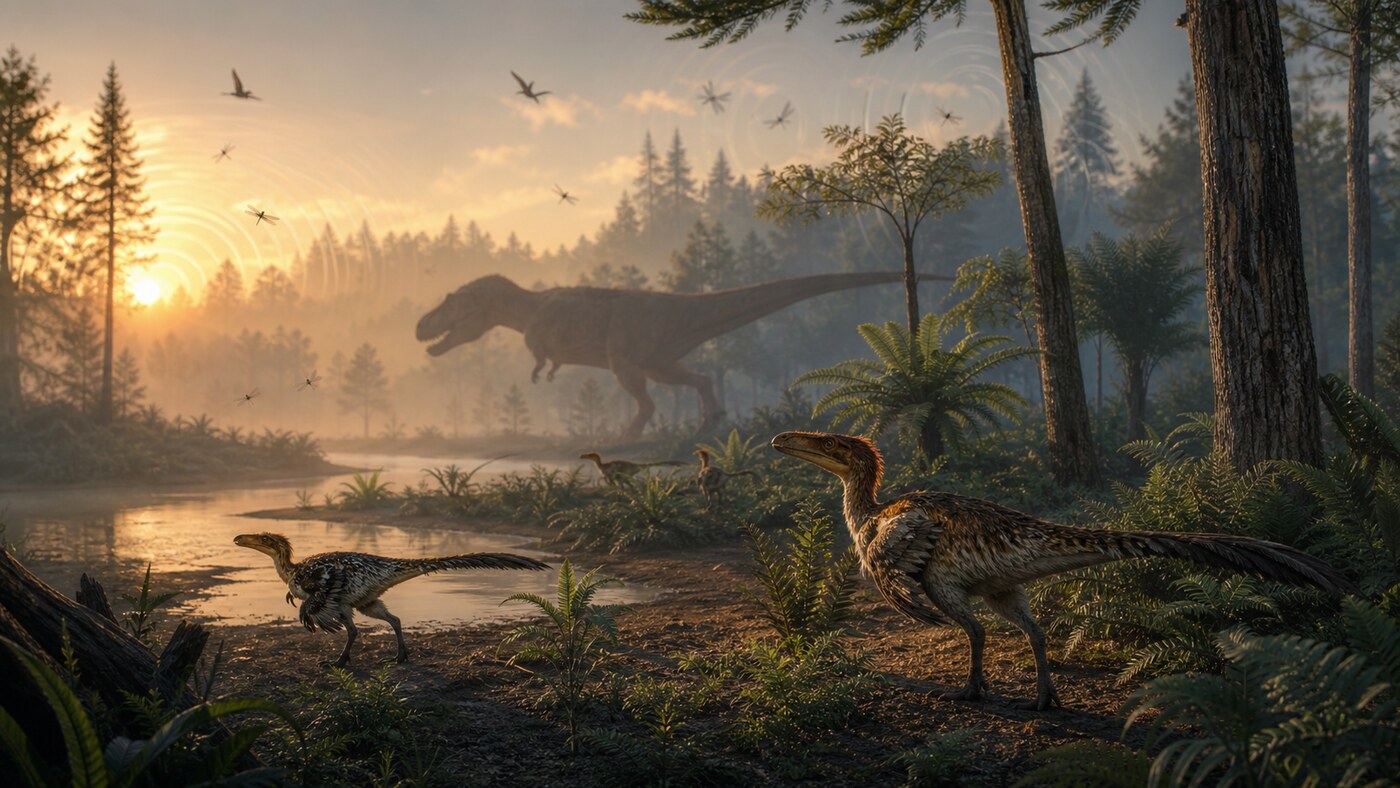
What Did Dinosaurs Really Sound Like?
Explore what fossils, living birds, crocodiles, and science can tell us about dinosaur sounds.
Read article →
How to Pronounce Dinosaur Names
A simple guide to saying dinosaur names with confidence, from Tyrannosaurus rex to Ankylosaurus.
Read article →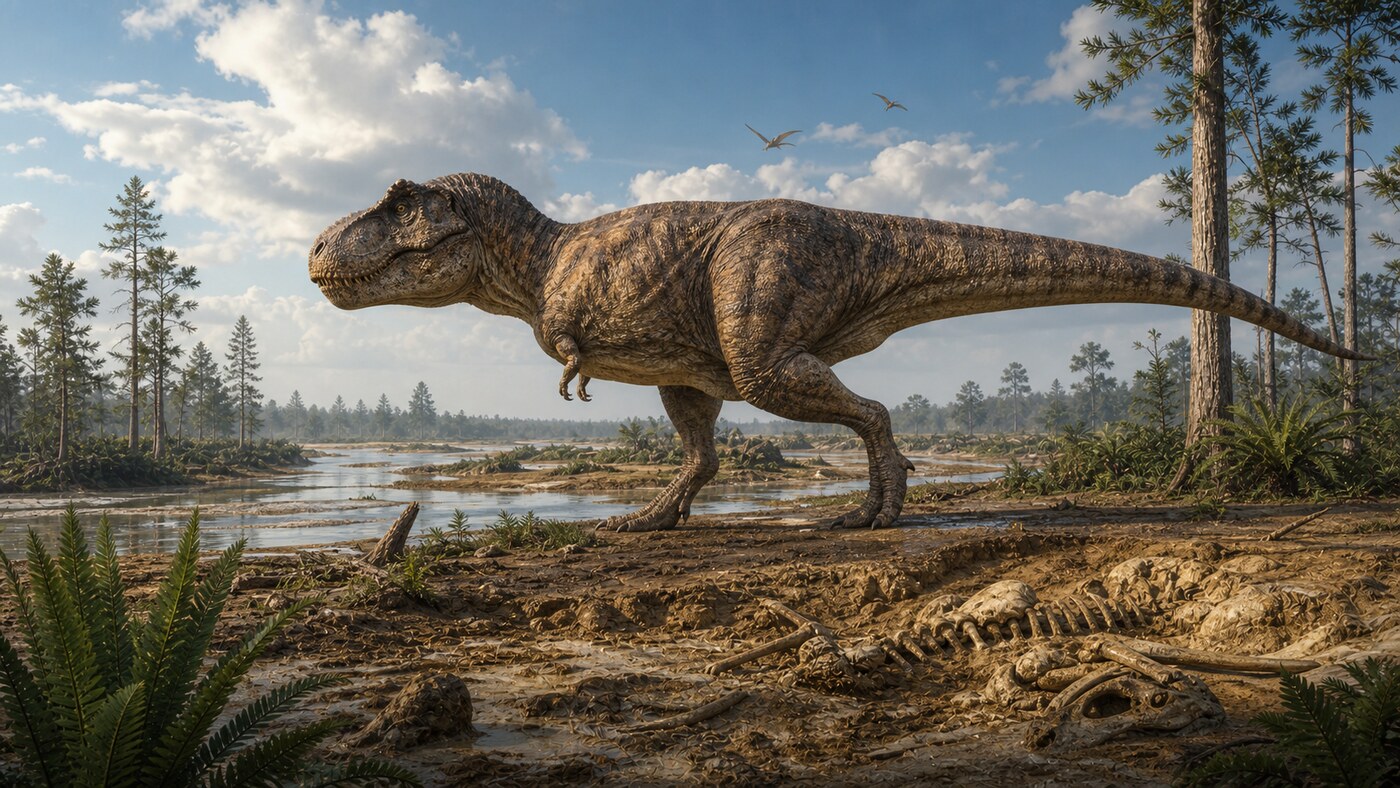
Tyrannosaurus Rex Facts: Size, Diet, Feathers, and Fossils
Key facts about T. rex size, bite, diet, feathers, fossils, and why it remains the most famous dinosaur.
Read article →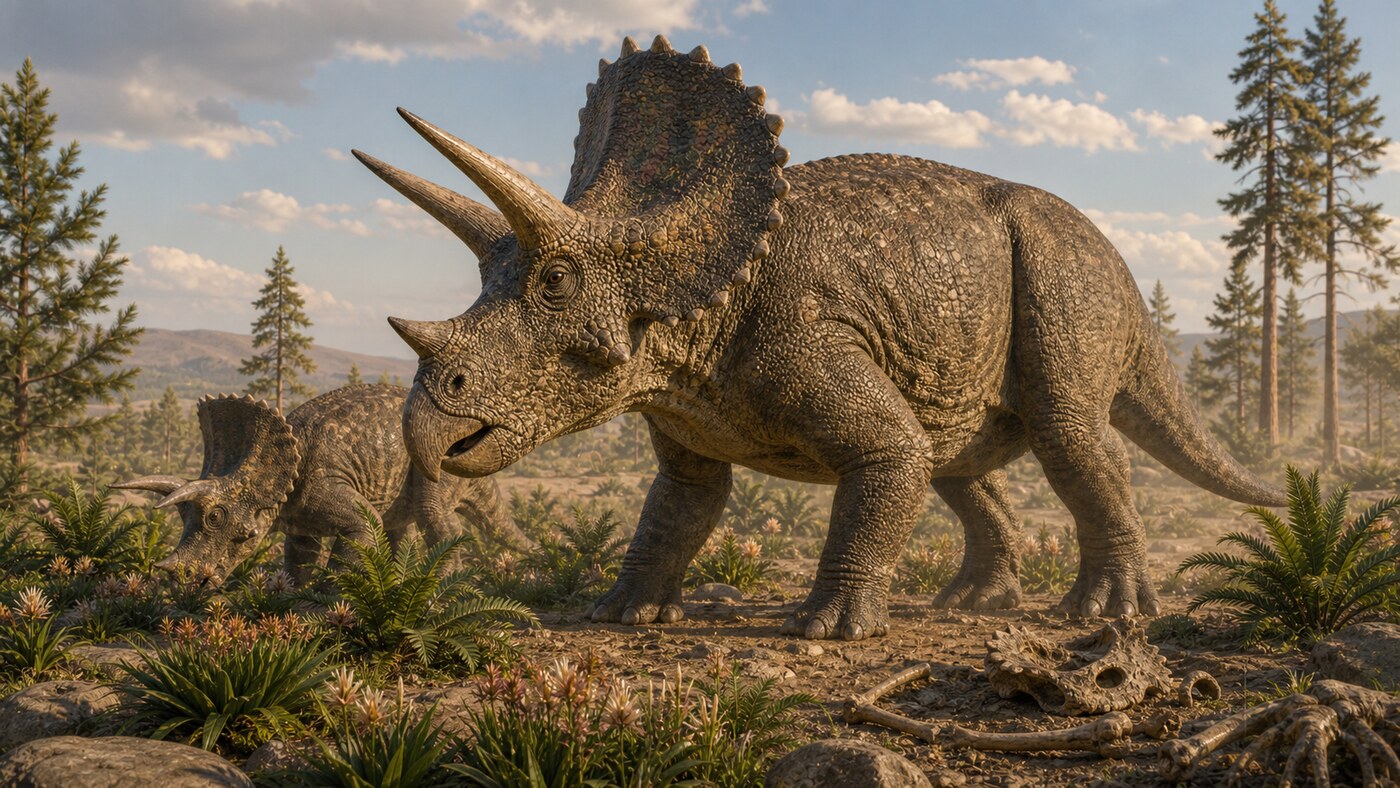
Triceratops Facts: Horns, Frill, Diet, and Fossil Finds
Learn how Triceratops used its horns, frill, beak, teeth, and sturdy body in Late Cretaceous North America.
Read article →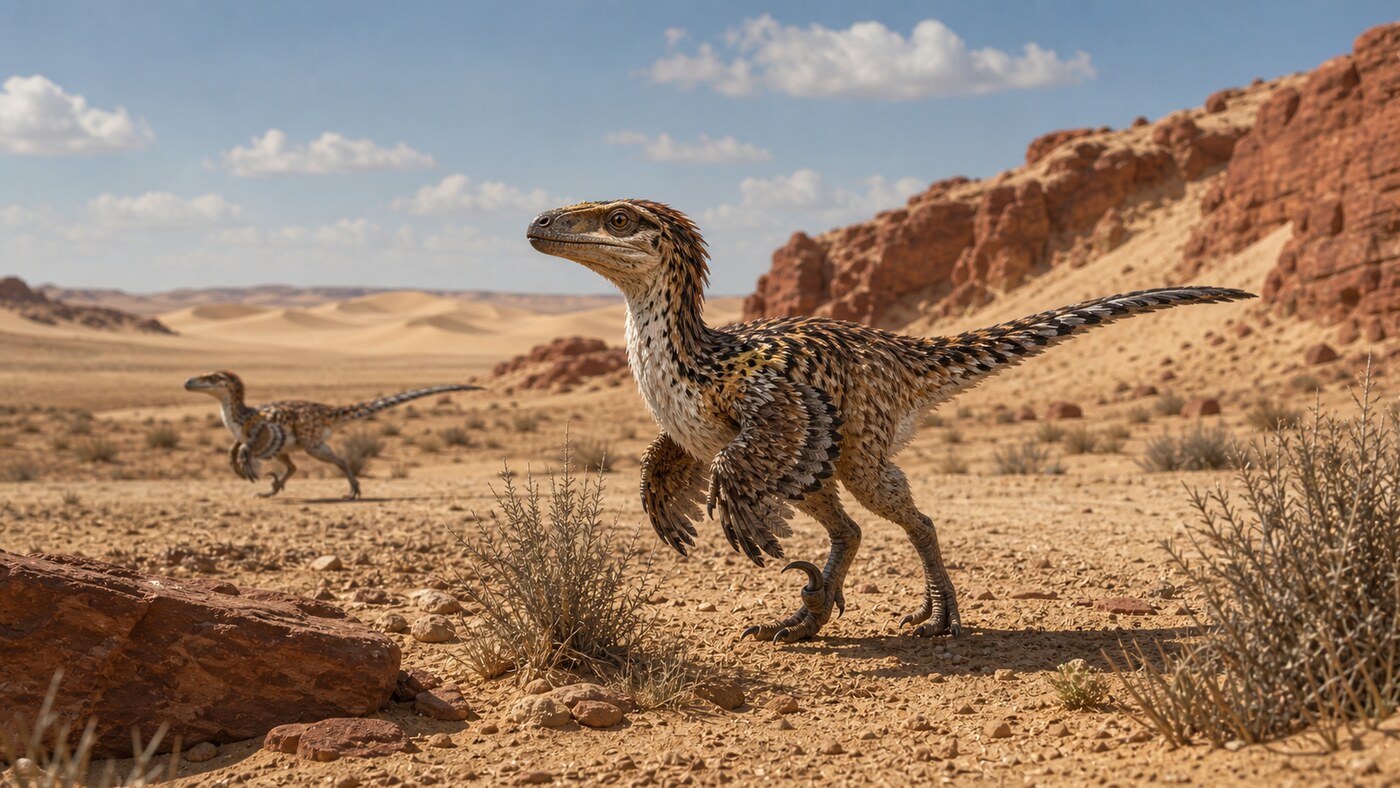
Velociraptor Facts: Size, Feathers, Claws, and Movie Myths
A clear look at the real Velociraptor, including its size, feathers, sickle claw, fossils, and movie myths.
Read article →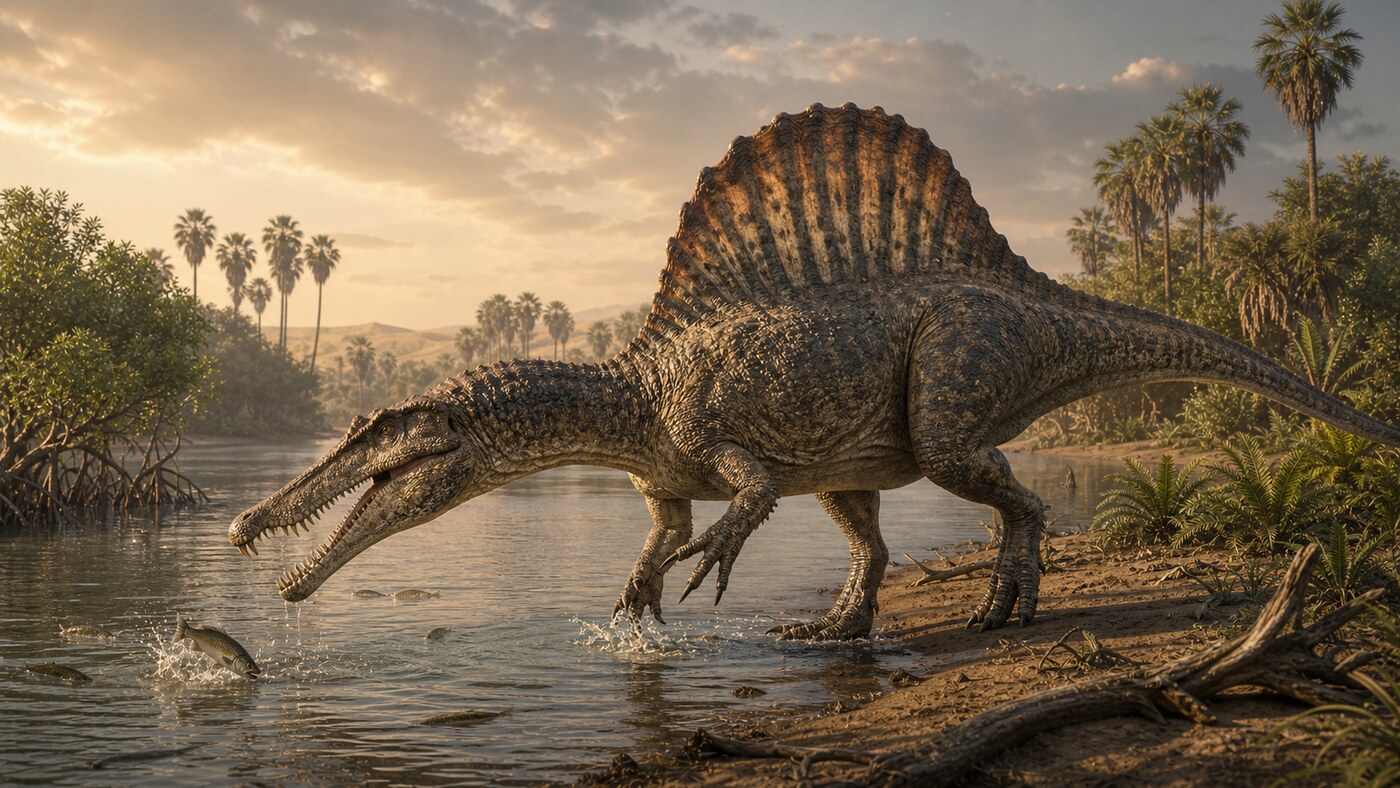
Spinosaurus Facts: The River Hunter With a Sail
Discover the unusual river hunting dinosaur with a long snout, tall sail, fish-catching teeth, and aquatic clues.
Read article →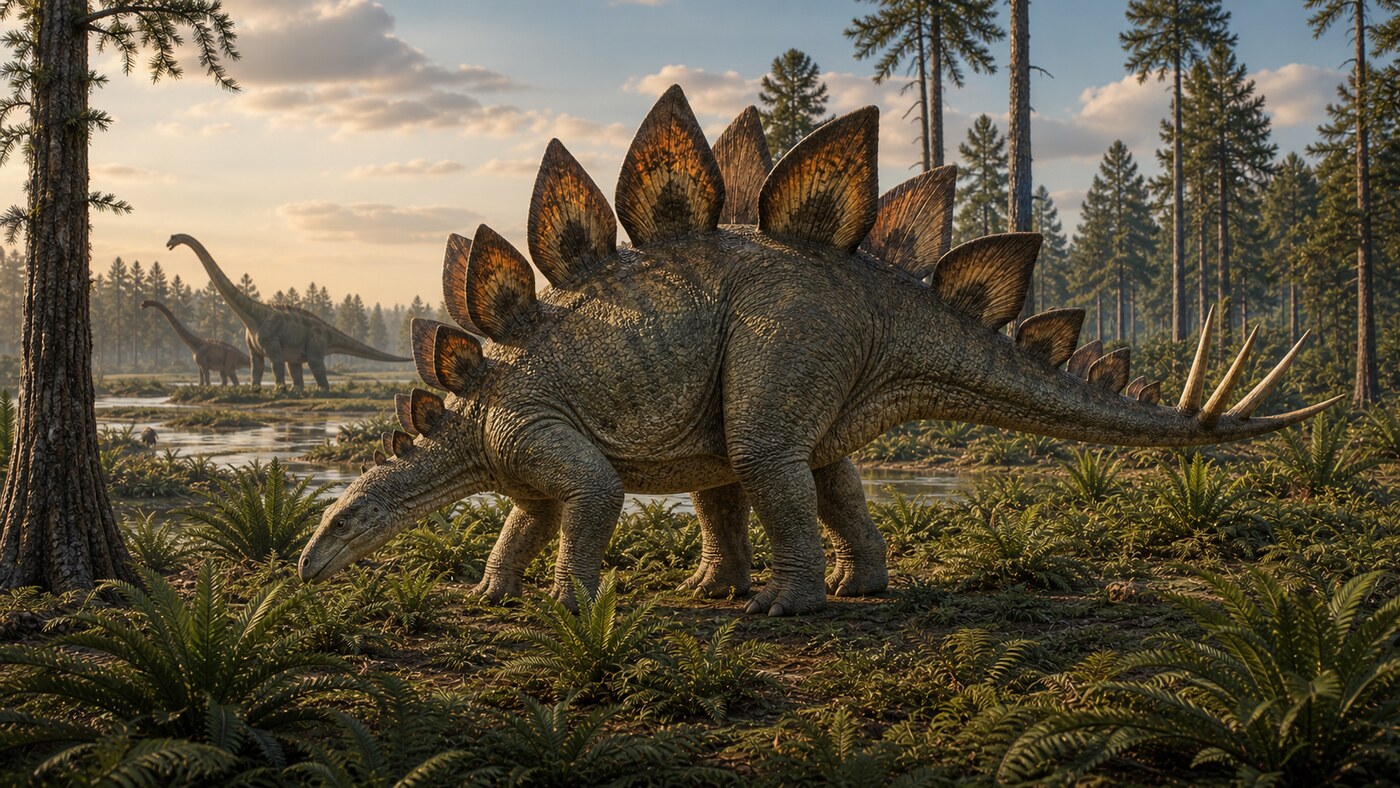
Stegosaurus Facts: Plates, Spikes, and Jurassic Life
Explore Stegosaurus plates, tail spikes, plant eating habits, fossils, and life in the Jurassic world.
Read article →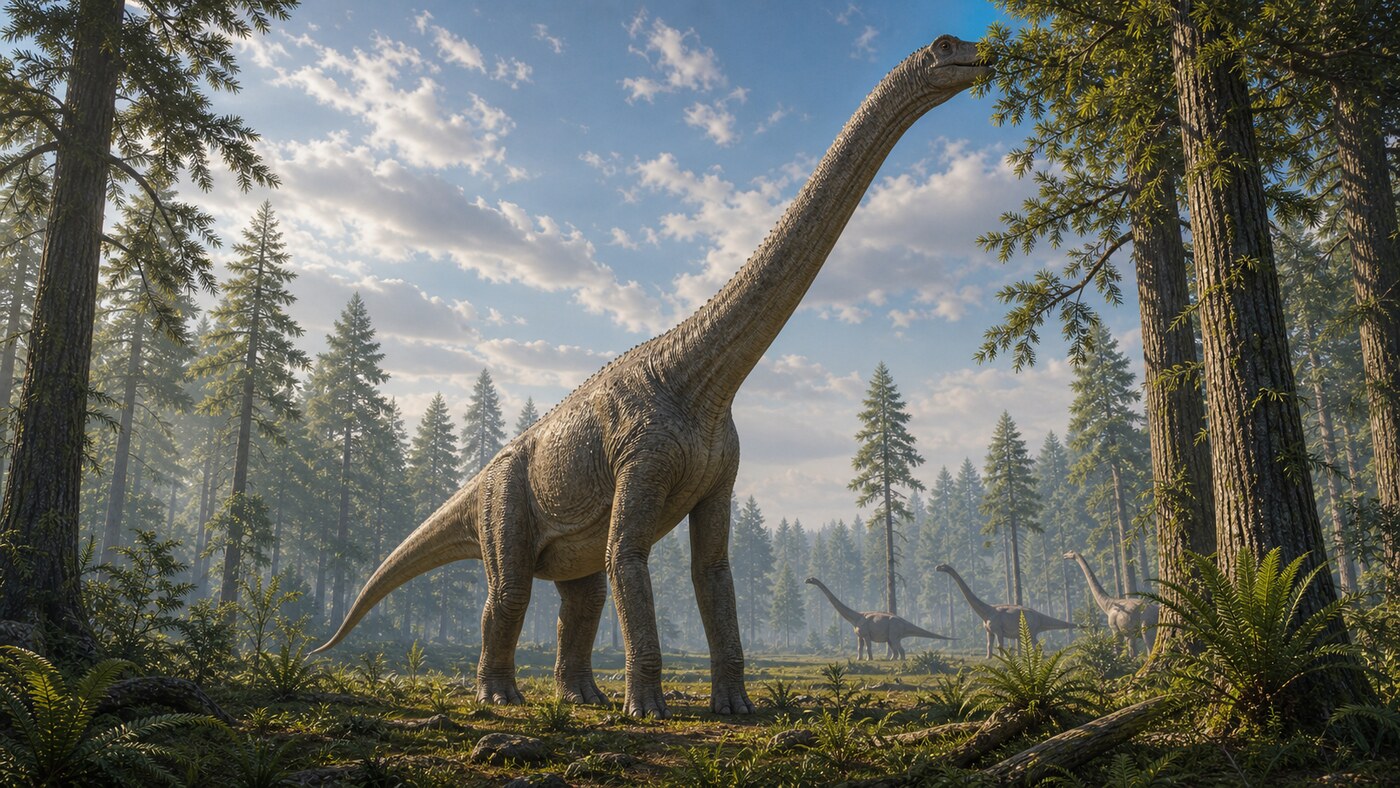
Brachiosaurus Facts: The Tall Sauropod of the Jurassic
Facts about the tall Jurassic sauropod, including its long neck, front legs, diet, size, and fossil history.
Read article →
Allosaurus Facts: Jurassic Predator Before T. Rex
Meet Allosaurus, a powerful Jurassic predator with sharp teeth, strong claws, and a fossil record older than T. rex.
Read article →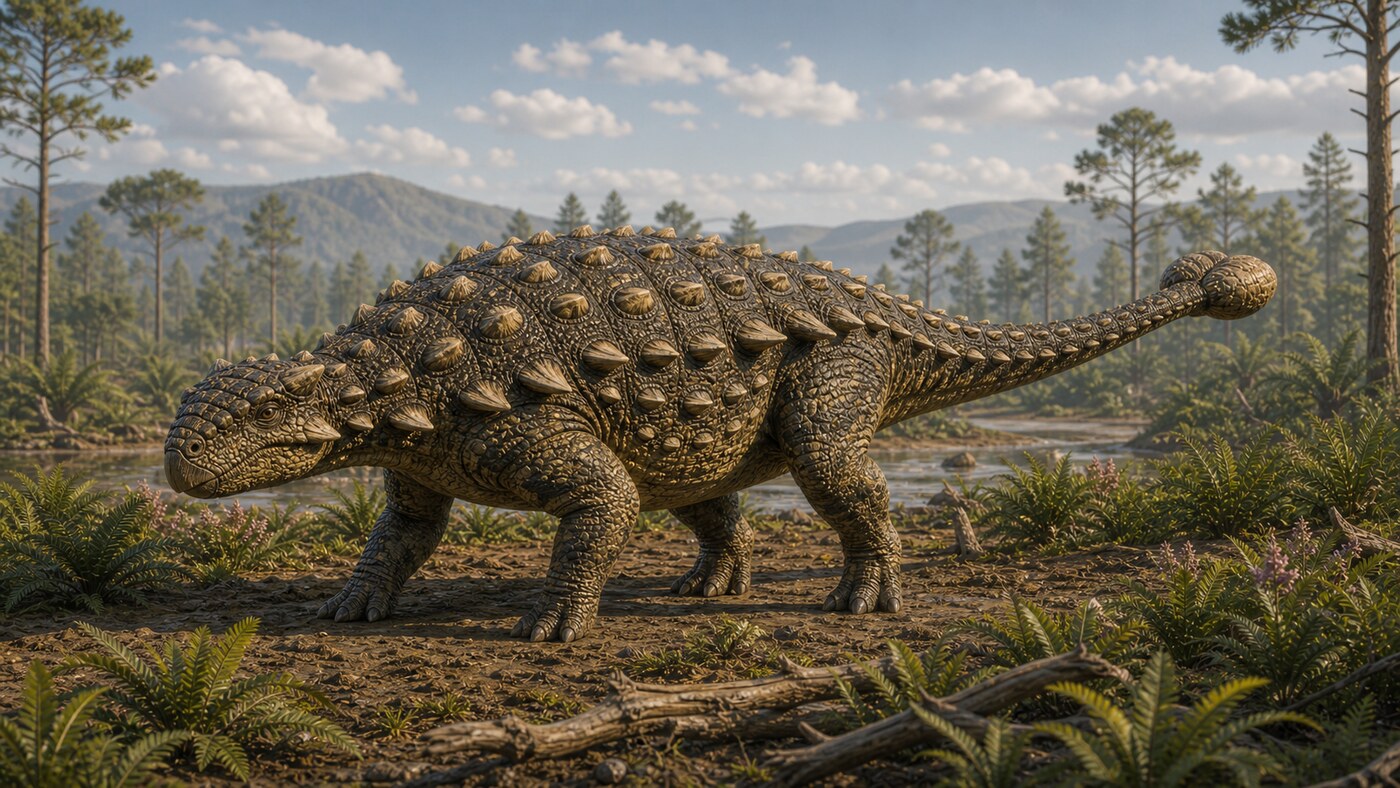
Ankylosaurus Facts: Armor, Tail Club, and Defense
Learn how Ankylosaurus used heavy armor, a broad body, and a tail club to survive near the end of the dinosaur age.
Read article →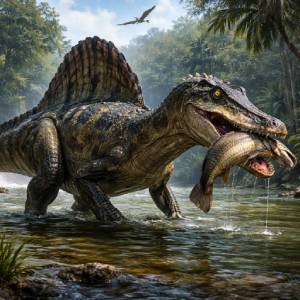
Irritator, the crocodile snouted hunter
The extraordinary, crocodile-snouted predator
Read article →
Where Dinosaur fossils have been discovered
From deserts to frozen tundras, the bones and footprints of these prehistoric giants tell stories millions of years in the making.
Read article →
Tyrannosaurus Rex and the Feather Debate
Imagine a creature so powerful and fearsome that it ruled the oceans at a time when dinosaurs like Tyrannosaurus rex roamed the land.
Read article →
Mosasaurus: The apex predator of the ocean
Imagine a creature so powerful and fearsome that it ruled the oceans at a time when dinosaurs like Tyrannosaurus rex roamed the land.
Read article →
Paleontology tools
Discovering dinosaur fossils is a blend of science, patience, and craftsmanship. Paleontologists rely on a variety of tools to carefully uncover, preserve, and analyze ancient remains. Here is a concise guide to the essential tools used in this fascinating field.
Read article →
The asteroid that destroyed the dinosaurs
A catastrophic event, believed to be the impact of a massive meteor or asteroid, struck the planet with devastating force, causing the extinction of nearly 75% of all species, including the dinosaurs.
Read article →
The Jurassic period
The Jurassic Period remains a captivating chapter in the history of the earth, and the dinosaurs that roamed during this time inspire awe and wonder to this day.
Read article →
The Triassic period
The Triassic period, which lasted from about 252 to 201 million years ago, marked the beginning of the Mesozoic Era, following the mass extinction event at the end of the Permian.
Read article →
The Cretaceous period
The Cretaceous period, which lasted from about 145 to 66 million years ago, is the final and longest period of the Mesozoic Era.
Read article →
Bring your discoveries to life
Try our dinosaur coloring pages, test your thinking in dinosaur games, or read an original adventure story.