Triceratops Facts: Horns, Frill, Diet, and Fossil Finds
Meet Triceratops
Triceratops was a large horned dinosaur from the Late Cretaceous Period of North America. It lived about 68 to 66 million years ago, making it one of the last non-bird dinosaurs before the end-Cretaceous extinction.
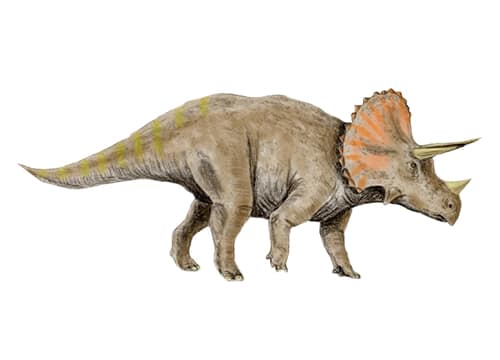
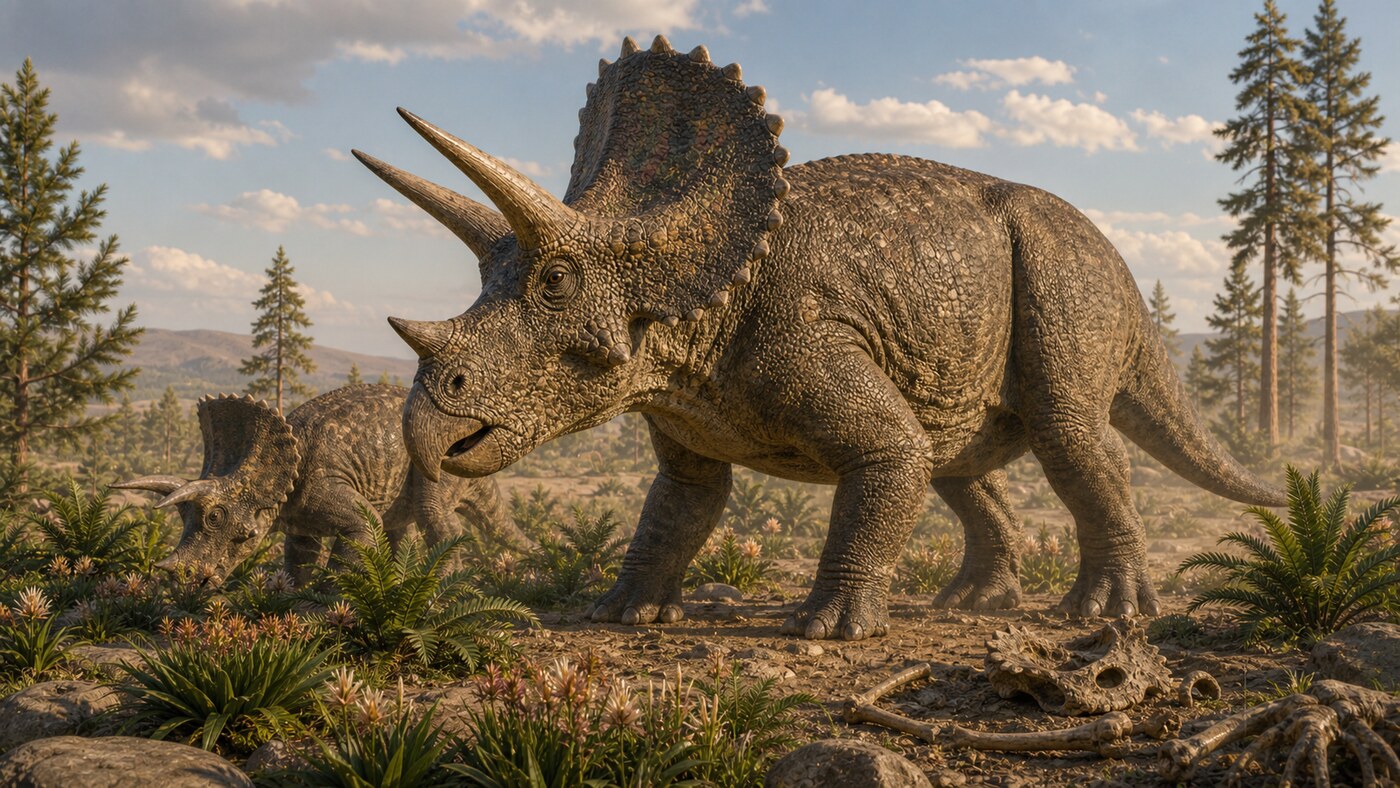
Its name means three-horned face. That name fits perfectly: Triceratops had two long brow horns above the eyes and a shorter horn on the nose. You can compare this article with the local Triceratops profile.
Horns and frill
The horns of Triceratops may have helped with defense, display, species recognition, and contests between individuals. The broad frill at the back of the skull made the head look even larger and may also have played a role in display.
Scientists have found many Triceratops skulls, and they show variation in horn shape and frill details. Some differences may relate to age, growth, sex, or individual variation. That makes Triceratops useful for studying how dinosaurs changed as they matured.
Diet and teeth
Triceratops was a plant-eater with a strong beak at the front of its mouth. Behind the beak, rows of cheek teeth formed a slicing surface for processing tough plants. It likely fed on low-growing vegetation such as ferns, cycads, palms, and other Cretaceous plants.
Its head was enormous, but the body was also powerful. A heavy torso, sturdy legs, and low browsing posture made Triceratops one of the most recognizable herbivores in dinosaur history.
Triceratops and T. rex
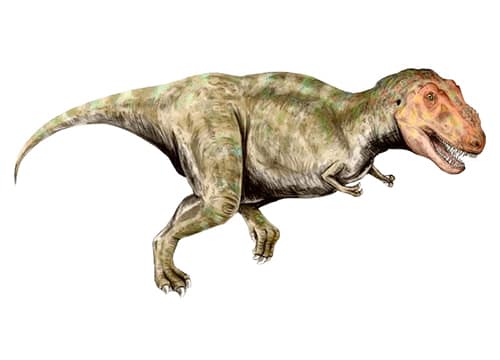
Triceratops lived in the same time and place as Tyrannosaurus rex. Fossils show that these dinosaurs were part of the same ecosystem, and some Triceratops bones preserve tyrannosaur bite marks.
That does not mean every meeting was a battle. Predators and prey share landscapes in complex ways. T. rex may have hunted weakened individuals and scavenged carcasses, while healthy adult Triceratops would have been dangerous to attack.
Fossil finds
Triceratops fossils are especially common in parts of western North America. Skulls are often preserved because they were large and robust. These fossils help paleontologists understand horned dinosaur evolution near the end of the dinosaur age.
After reading, try comparing Triceratops with other dinosaurs in the games section or browse more topics from the articles hub.
Sources and further reading
- Natural History Museum: Triceratops
- Natural History Museum: Dino Directory
- Local profile: Triceratops
Dinosaurs to explore next
Continue from this article into profile pages with sounds, pronunciation, images, and quick facts.