Spinosaurus Facts: The River Hunter With a Sail
A very unusual predator
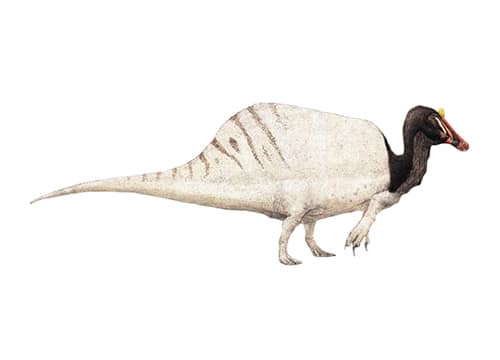
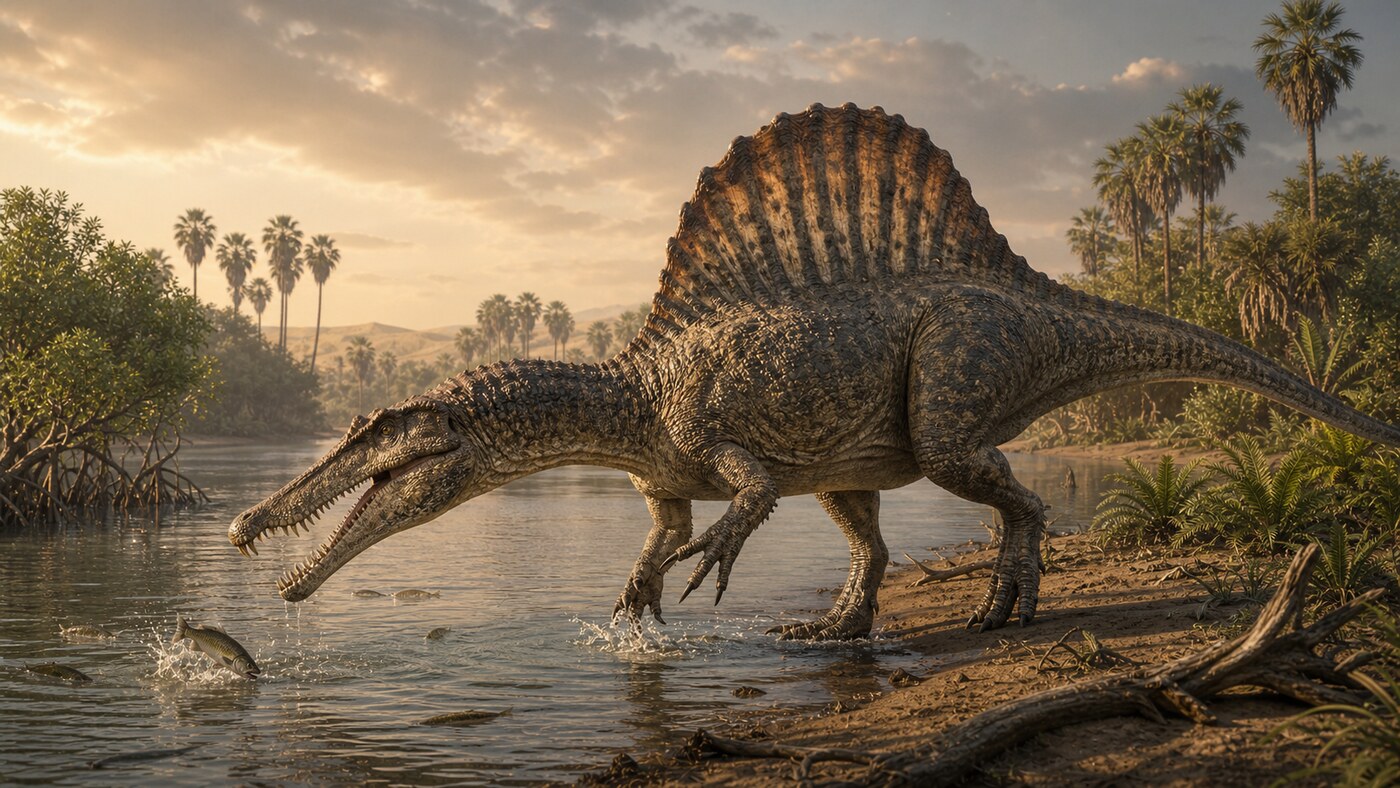
Spinosaurus was one of the strangest large theropod dinosaurs. It had a long, narrow snout, cone-shaped teeth, and tall spines on its back that formed a sail or ridge. It lived during the Cretaceous Period in North Africa.
Unlike many famous meat-eating dinosaurs, Spinosaurus appears to have been strongly connected to water. Its fossils suggest a predator that spent much of its time around rivers, deltas, and wetlands.
The sail
The tall sail of Spinosaurus was made from elongated bones rising from the vertebrae. Scientists have proposed several possible uses, including display, species recognition, fat storage, or temperature regulation.
Display is a strong possibility because large visual structures are common in animals that need to recognize rivals, mates, or members of the same species. The sail would have made Spinosaurus look larger and more distinctive from a distance.
A fish-catching skull
Spinosaurus had a crocodile-like snout and conical teeth suited for gripping slippery prey. These features suggest that fish were an important part of its diet. It may also have eaten other animals when available, including small dinosaurs, pterosaurs, or carrion.
Its nostrils were set back on the skull compared with many other theropods, another clue often discussed in relation to feeding near water.
River hunter debate
Spinosaurus is famous for scientific debate. Researchers have argued over how aquatic it was, how it moved, and how much time it spent swimming compared with wading or hunting along shorelines.
That debate is healthy science. New fossils and new analyses keep changing the picture. What remains clear is that Spinosaurus was not just a standard land predator. It occupied a more water-linked niche than most large theropods.
Why Spinosaurus matters
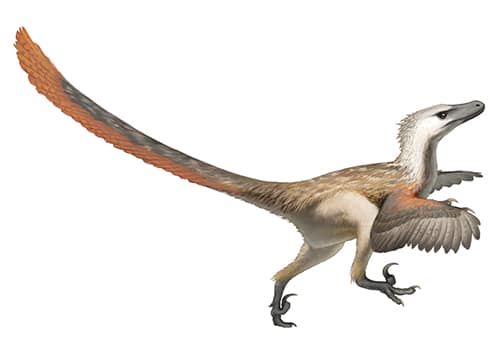
Spinosaurus expands the idea of what a dinosaur predator could be. It shows that theropods were not all built around the same hunting style. Some chased prey on land, some were small feathered hunters, and some, like Spinosaurus, adapted to river systems.
For more dinosaur variety, browse the articles hub or compare predator styles in the games section.
Sources and further reading
- Natural History Museum: Spinosaurus
- Natural History Museum: Dino Directory
- Natural History Museum: What did Diplodocus sound like?
Dinosaurs to explore next
Continue from this article into profile pages with sounds, pronunciation, images, and quick facts.