Dinosaur profile
Deinocheirus
Pronunciation
Die-noe-ky-rus
Terrible hand
Large Theropod
10-11 meters long
Late Cretaceous
70-66 million years ago
Mongolia
 Diet
DietOmnivore
About Deinocheirus
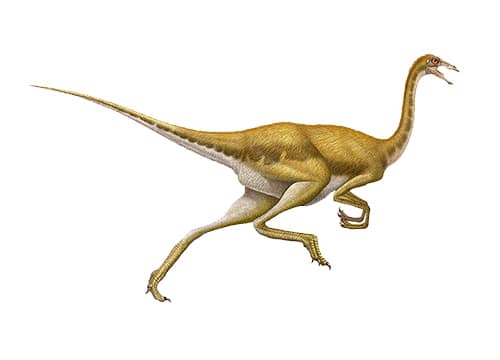
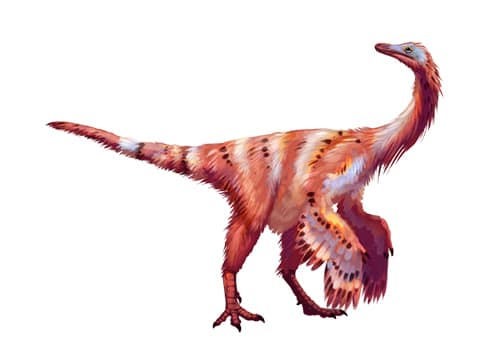
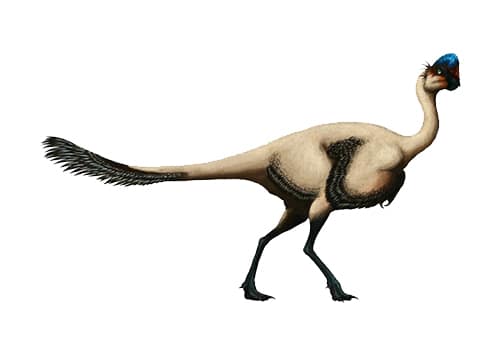
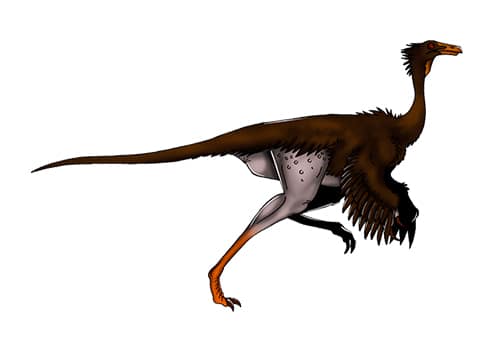
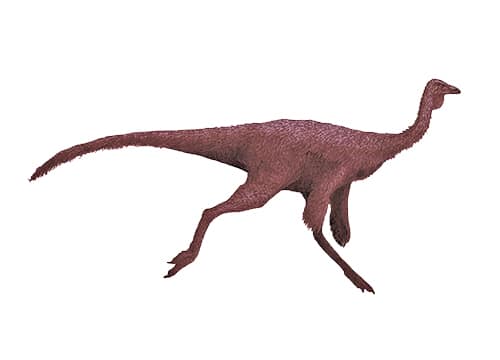
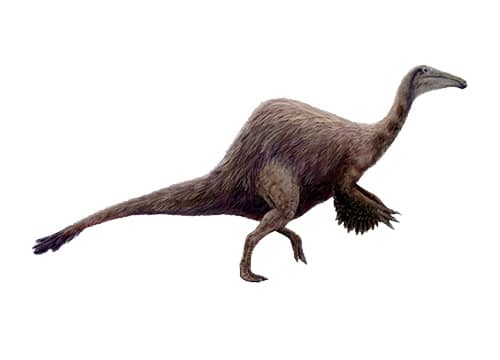
Deinocheirus is a genus of large, herbivorous dinosaur that lived during the Late Cretaceous Period, about 70-65 million years ago. It was a member of the group of dinosaurs called the ornithomimids, which were characterized by their long legs, long arms, and long, thin necks. Deinocheirus was a large, bulky dinosaur, with an estimated length of about 30-40 feet and a weight of up to 6-8 tons. It had a long, narrow head with small, peg-like teeth, as well as long, slender arms with large, three-fingered hands. Its body was supported by four sturdy legs, and it had a long, thick tail for balance.
Deinocheirus is known from a single, incomplete fossil specimen, which includes a partial skull, a few vertebrae, and the arms and hands. This specimen was discovered in Mongolia, and the genus is named after the Greek words 'deinos,' meaning 'terrible,' and 'cheir,' meaning 'hand,' in reference to the large, clawed hands of this dinosaur. Based on the limited information available, it is thought that Deinocheirus was a large, herbivorous dinosaur that fed on a variety of plant matter including leaves, stems, and seeds. It is thought to have used its small, peg-like teeth to grind up tough plant material. It is considered a primitive ornithomimid, and is thought to be closely related to other members of this group such as Struthiomimus and Gallimimus. However, much about the anatomy and behavior of Deinocheirus remains unknown due to the limited nature of the fossil record.
Wikipedia image gallery
Extra reference images from Wikimedia projects. These are loaded live in your browser.
More Late Cretaceous profiles
Explore related dinosaurs with similar diet, type, period, or fossil location to Deinocheirus.