Dinosaur profile
Parksosaurus
Pronunciation
park-so-sore-us
Park's lizard
Euornithopod
2.5 - 3 meters long
Late Cretaceous
76-74 million years ago
Canada
 Diet
DietHerbivore
About Parksosaurus
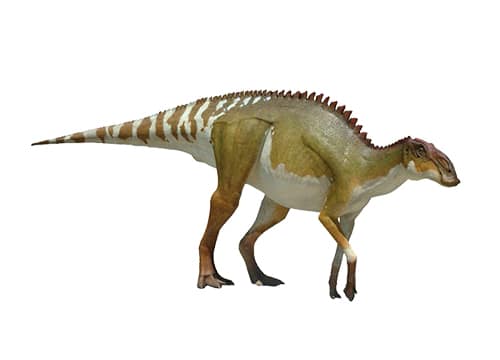
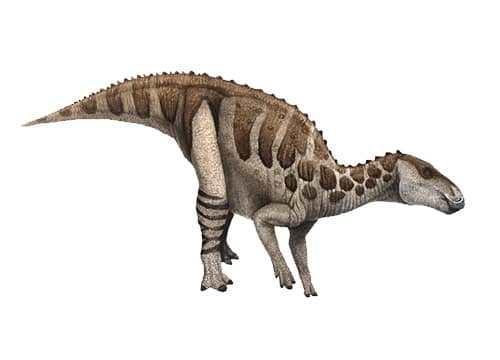
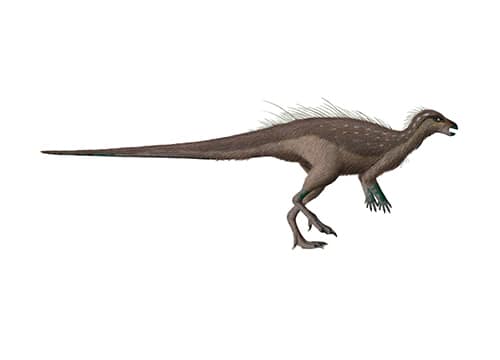
Parksosaurus is a genus of small, herbivorous dinosaurs that lived in the Late Cretaceous period, about 75 million years ago. It was named after Roy Chapman Andrews, who discovered the first specimen in Alberta, Canada in 1922. Parksosaurus is classified as a hypsilophodontid, a group of small, agile dinosaurs known for their long legs and toes. It was about 2-3 meters (6.5-10 feet) in length and weighed around 20-30 kilograms (44-66 pounds). Parksosaurus had a relatively small head with a beak-like snout, small, triangular teeth, and a low, triangular crest on the top of its head. It likely used its beak to bite off and chew plants, while the crest may have been used for display or communication. The legs of Parksosaurus were long and slender, and it had five toes on each foot, with the first toe being the longest. It is thought that Parksosaurus lived in small herds and moved quickly on its long legs to escape predators.
Wikipedia image gallery
Extra reference images from Wikimedia projects. These are loaded live in your browser.
More Late Cretaceous profiles
Explore related dinosaurs with similar diet, type, period, or fossil location to Parksosaurus.