Dinosaur profile
Giganotosaurus
Giganotosaurus carolinii
Pronunciation
gig-an-OH-toe-SORE-us
giant southern lizard
Large Theropod
12.5m
Early Cretaceous
112 - 90 million years ago
Argentina
 Diet
DietCarnivore
About Giganotosaurus
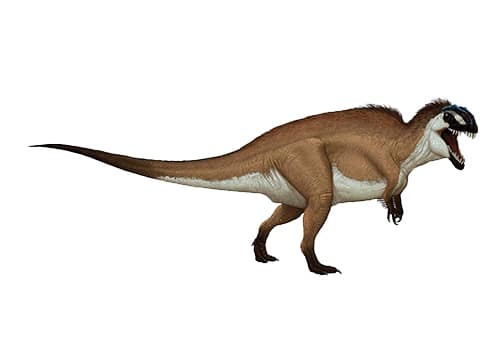
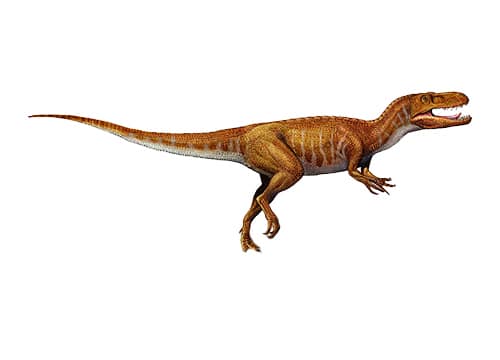
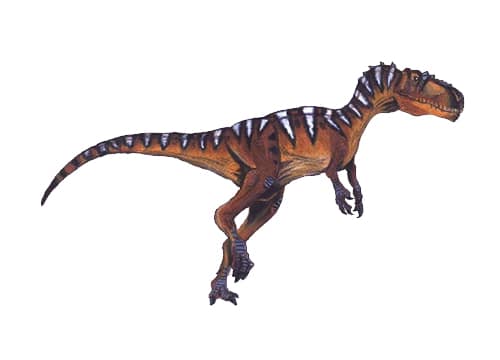
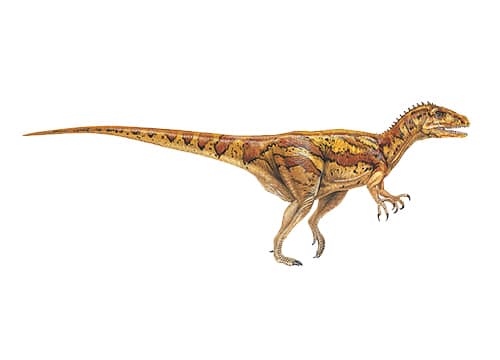
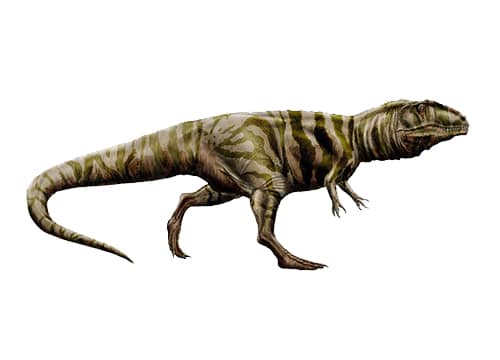
Giganotosaurus is a genus of large theropod dinosaur that lived during the Late Cretaceous Period, about 97-89 million years ago. It was one of the largest predatory dinosaurs that ever lived, with an estimated length of about 43-49 feet and a weight of up to 8-13 tons. It had a large, elongated head with powerful jaws lined with long, sharp teeth, which it used to hunt and kill other animals. It had a long, heavy tail, and long, powerful legs with three toes ending in sharp claws.
Giganotosaurus is known from several well-preserved fossil specimens, which include partial skeletons and complete skulls. It was discovered in Argentina, and is named after the Gigantes Mountains (Giganotos), where the fossil was found. Giganotosaurus is considered a member of the carcharodontosaurid group of theropod dinosaurs, which also includes other large predatory dinosaurs such as Carcharodontosaurus and Mapusaurus.
Giganotosaurus is important because it is one of the largest predatory dinosaurs that ever lived, and helps to shed light on the size and behavior of these animals. It is also significant because it is one of the few known dinosaurs from South America, and helps to fill in gaps in our understanding of the diversity and distribution of dinosaurs in this region. Giganotosaurus is also important because it is one of the few known carcharodontosaurids, and helps to shed light on the evolution and diversity of this group of dinosaurs.
Wikipedia image gallery
Extra reference images from Wikimedia projects. These are loaded live in your browser.
More Early Cretaceous profiles
Explore related dinosaurs with similar diet, type, period, or fossil location to Giganotosaurus.