Dinosaur profile
Graciliceratops
Pronunciation
Gras-sil-i-seh-rah-tops
Graceful horned face
Ceratopsian
1 - 1.5 meters long
Late Cretaceous
99-84 million years ago
Mongolia
 Diet
DietHerbivore
About Graciliceratops
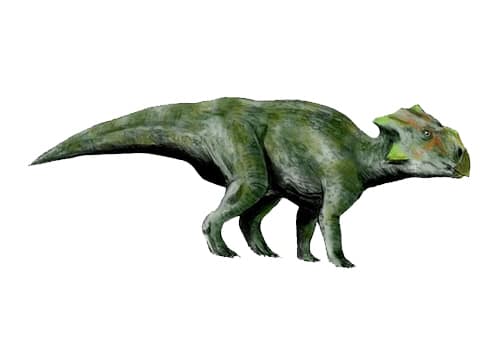
Graciliceratops is a genus of small, herbivorous dinosaur that lived during the Late Cretaceous Period, about 75-70 million years ago. It was a member of the ceratopsid family of dinosaurs, which are known for their distinctive, bony frills and horns on their skulls.
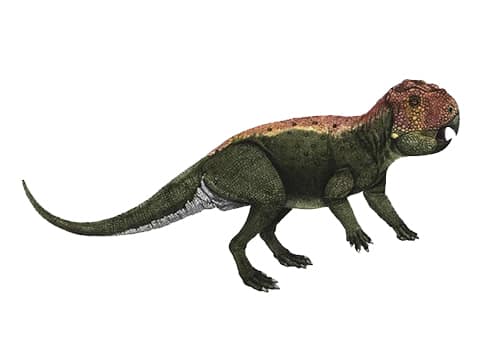
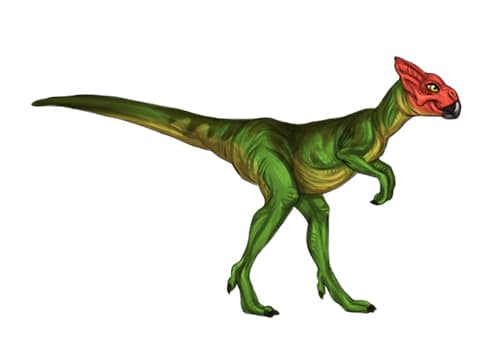
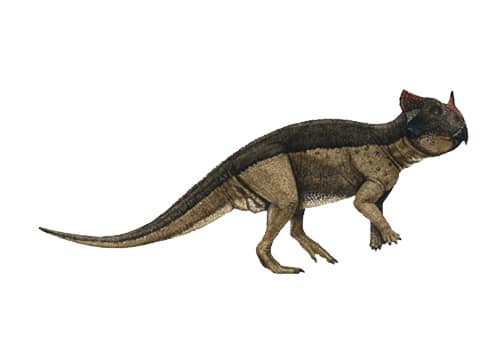
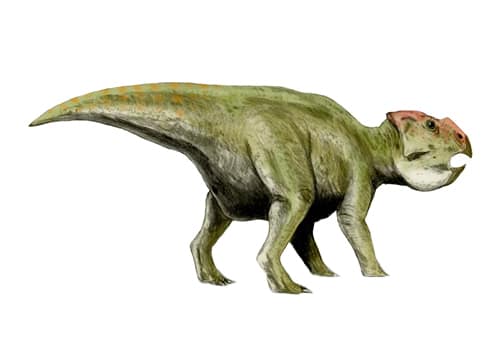
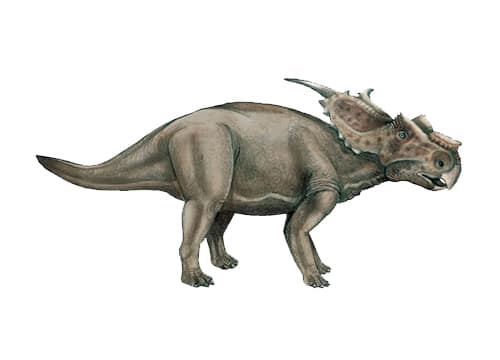
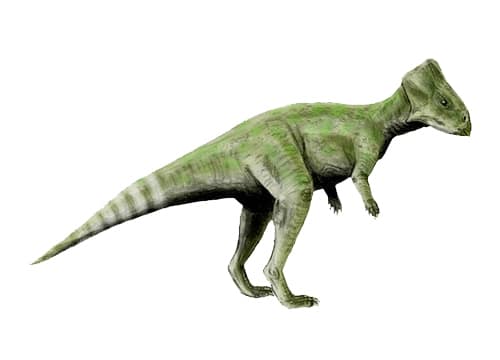
Graciliceratops was a small, slender dinosaur, with a body length of about 1.5 meters (5 feet) and a weight of around 20-30 kilograms (45-65 pounds). It had a long, narrow skull with a small, pointed horn on its snout and a pair of shorter, curved horns over its eyes. It also had a small, triangular frill on the back of its skull. Graciliceratops had short, stocky legs and likely walked on all fours.
Graciliceratops is known from a single specimen, which consists of a partial skull and some associated postcranial bones. This specimen was found in China, and is the only known fossil of this genus. Despite the limited amount of material available, Graciliceratops is important because it is one of the smallest known ceratopsids, and has helped scientists to understand the diversity and evolutionary relationships within this group of dinosaurs.
Graciliceratops was a herbivorous dinosaur that likely fed on a variety of plants, including conifers, ferns, and cycads. It may have used its horns and frill to defend itself from predators or to fight with other members of its own species. Despite its small size, Graciliceratops was probably well-equipped to survive in its ecosystem, and would have faced competition from other herbivorous dinosaurs such as hadrosaurs and ankylosaurs.
Wikipedia image gallery
Extra reference images from Wikimedia projects. These are loaded live in your browser.
More Late Cretaceous profiles
Explore related dinosaurs with similar diet, type, period, or fossil location to Graciliceratops.