Dinosaur profile
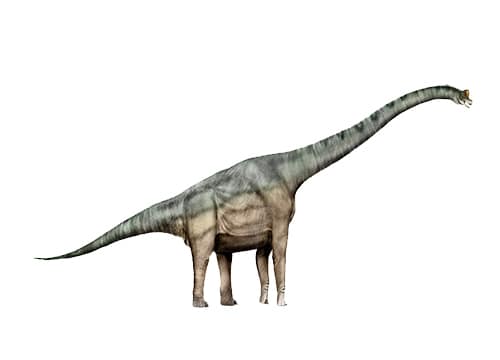
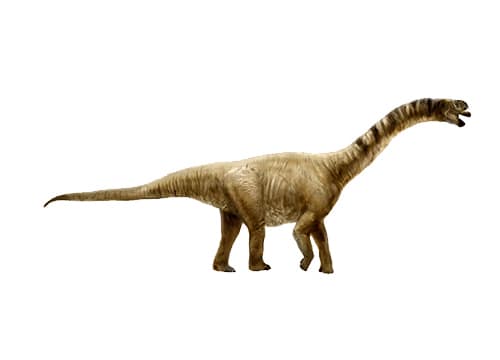
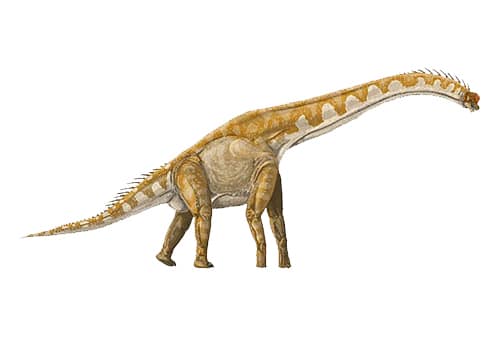
Giraffatitan
Pronunciation
Jee-raf-ah-tie-tan
Giraffe titan
Sauropod
23 - 26 meters long
Late Jurassic
154-142 million years ago
Tanzania
 Diet
DietHerbivore
About Giraffatitan
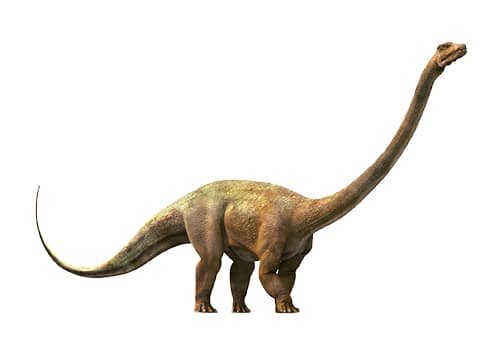
Giraffatitan is a genus of sauropod dinosaur that lived during the Late Jurassic Period, about 154-150 million years ago. It is known from several well-preserved specimens, which include partial skeletons and complete skulls. The specimens were discovered in Tanzania in Africa, and are among the most complete sauropod fossils known from the continent.
Giraffatitan was a large, long-necked dinosaur with a long, whip-like tail and a small, narrow head. It had a long, flexible neck with seven or eight neck vertebrae, which it used to reach high into trees to feed on leaves. It had a long, slender body and short, pillar-like legs, and it is estimated to have weighed around 20-30 tons.
Giraffatitan is classified as a member of the group of sauropods called titanosaurids, which includes other large, long-necked dinosaurs such as Argentinosaurus and Diplodocus. It is considered a close relative of the well-known sauropod Brachiosaurus, and the two genera are sometimes considered to be synonyms.
Giraffatitan is important because it is one of the most complete and well-preserved sauropod dinosaurs known, and helps to shed light on the anatomy and behavior of these animals. It is also significant because it is one of the few known sauropods from Africa, and helps to fill in gaps in our understanding of the diversity and distribution of dinosaurs in this region. Giraffatitan is also important because it is a key member of the titanosaurid group, and helps to shed light on the evolution and diversity of this group of dinosaurs.
Wikipedia image gallery
Extra reference images from Wikimedia projects. These are loaded live in your browser.
More Late Jurassic profiles
Explore related dinosaurs with similar diet, type, period, or fossil location to Giraffatitan.